
January 14, 2026
Oil prices are climbing as geopolitical risk and prediction markets signal global instability. Here’s why high earners are turning to energy investing for tax benefits and resilience.

Oil prices, geopolitics, prediction markets, and powerful tax strategies explained simply
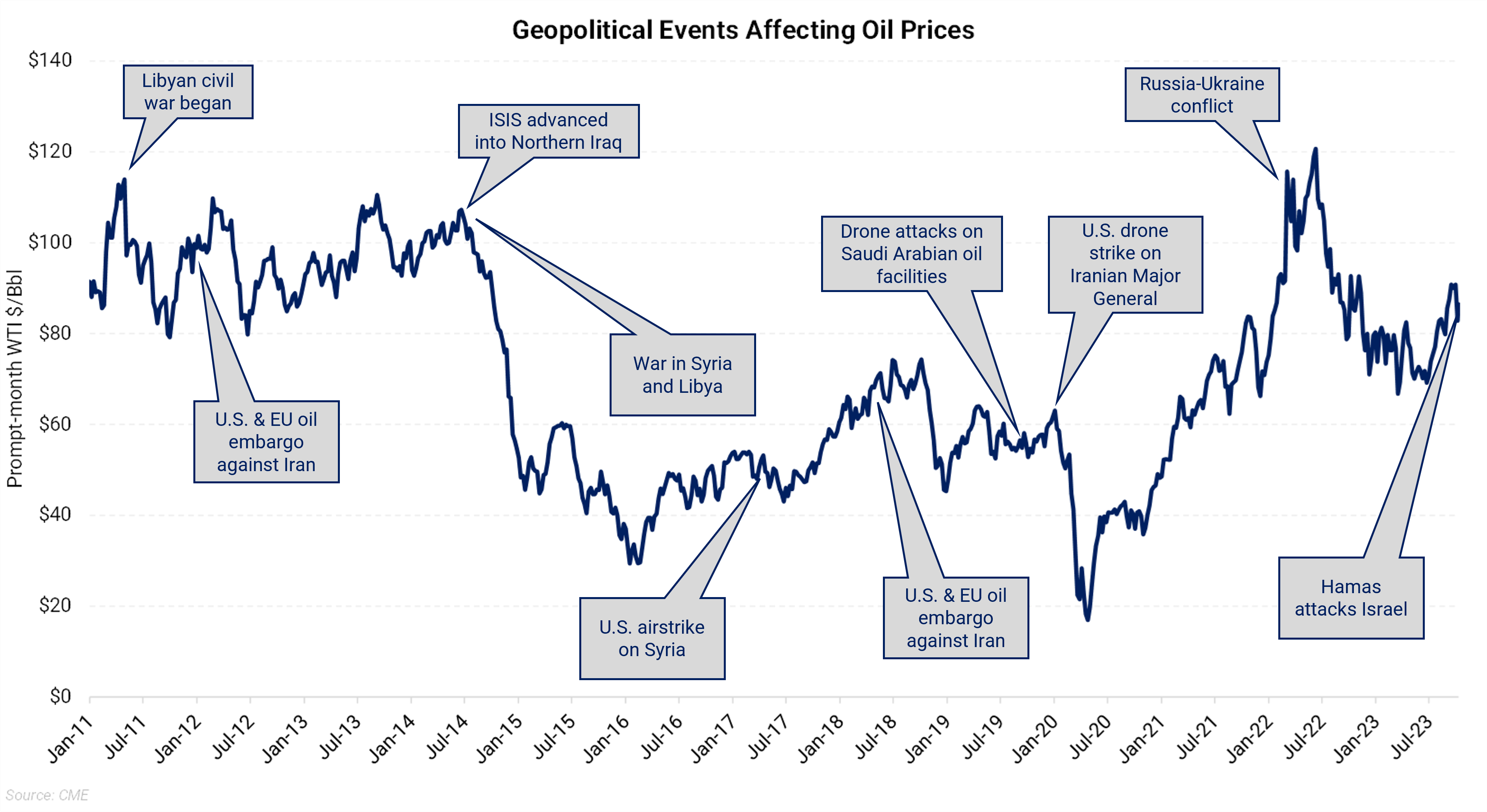
Oil prices are rising again—but this time, the signal is louder than a chart.
Between escalating Middle East tensions, growing concern over Iran and its oil exports, and the emergence of prediction markets betting on global conflict and disruption, investors are seeing a rare alignment: macroeconomic risk, market consensus, and tax-efficient opportunity all pointing toward energy.
This article explains why energy investing is showing up everywhere—from trading desks to tax planning conversations—and how high earners are using it strategically, not speculatively.

Three things are happening at once:
Markets are pricing in the risk of disruption—not just current supply. Even without production shutting down, the possibility of instability adds a geopolitical risk premium to oil prices.
This happens every time the world realizes how fragile global energy supply really is.
New betting and prediction markets—used by hedge funds, traders, and analysts—are showing increased odds for:
These markets aggregate thousands of informed bets, often reacting faster than traditional analysts. When they move, professionals pay attention.

Despite long-term energy transition goals, the world still runs on oil. Transportation, manufacturing, defense, and agriculture all depend on it. When risk rises, energy security becomes a national priority, not an environmental debate.
Energy sits at the center of modern life. When uncertainty rises:
Energy isn’t just a commodity—it’s a strategic asset. That’s why oil often rallies before equities reprice risk.
This is where energy investing becomes especially compelling for high-income individuals.
Unlike stocks or ETFs, certain oil & gas investments come with built-in tax advantages, including:
A large portion of drilling costs can often be deducted in the first year, sometimes up to 70–100%.
Investors may continue taking deductions even after the initial investment is recovered.
Front-loaded deductions that can offset earned income or other gains.
For high earners, this can mean:
This is why energy investing often shows up in serious tax planning conversations—not Reddit threads.
When oil prices rise because of risk, not oversupply shortages, energy investments benefit in two ways:
That combination—rising revenue potential + fixed tax benefits—is rare in investing.
Add in prediction markets signaling elevated global risk, and the case strengthens further.
Smart investors are not “betting on oil.” They are:
This is where platforms like Fieldvest come in—helping investors evaluate, compare, and access vetted energy opportunities instead of navigating opaque deals alone.
When you zoom out, the logic becomes clear:
This isn’t about predicting the future perfectly. It’s about positioning intelligently when multiple signals align.
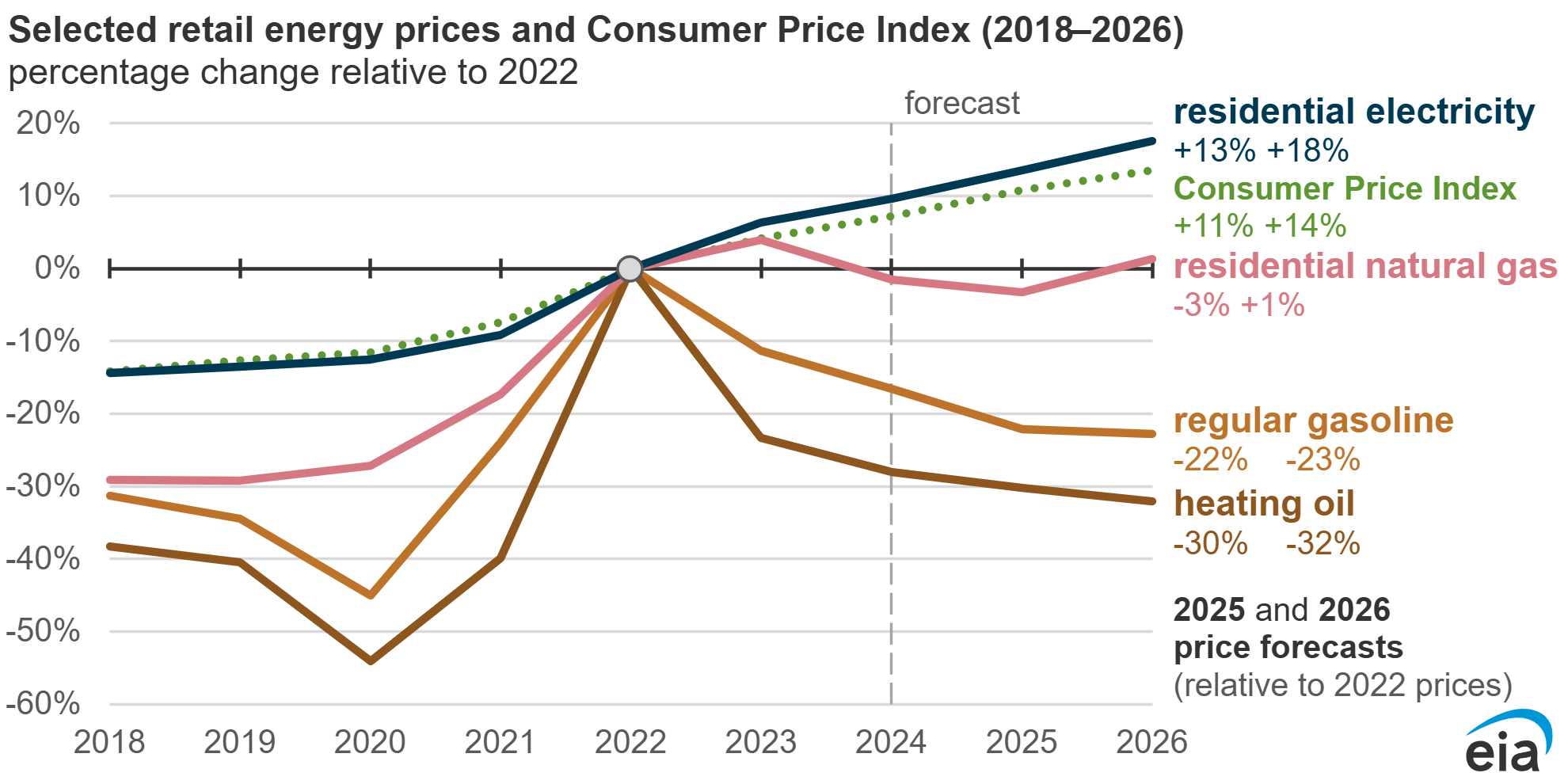
Energy investing is having a moment—not because of hype, but because:
For high earners, energy isn’t just an investment.
It’s a strategy for resilience, income, and tax efficiency.